
The cultural significance of casinos in modern society
The Historical Context of Casinos
Casinos have long been a part of human civilization, serving as gathering places that blend entertainment, social interaction, and economic activity. Their origins can be traced back to ancient civilizations, where games of chance were played in various forms. The modern casino, however, emerged in Europe during the 17th century, evolving into glamorous establishments that attracted diverse audiences seeking thrill and fortune. To truly master the art of gambling, check out this comprehensive guide at http://formwerkz.com/mastering-the-art-of-gambling-a-step-by-step-guide/ for valuable techniques and insights.

Over the years, casinos have become symbols of leisure and indulgence, embodying the spirit of risk-taking and adventure. They serve not only as venues for gambling but also as cultural hubs, hosting events, concerts, and celebrations. This evolution has established casinos as significant contributors to local economies and a reflection of societal values around entertainment and leisure.
Casinos as Social Spaces
In today’s fast-paced world, casinos function as important social venues where people gather to interact and engage with one another. The lively atmosphere encourages camaraderie, and the shared experience of gaming often fosters friendships among players. Many individuals view their trips to casinos as a form of escapism, a way to unwind from daily stresses while enjoying the thrill of the game.
Moreover, casinos attract a diverse demographic, from seasoned gamblers to casual players. This inclusivity promotes social diversity and interaction, allowing individuals from various backgrounds to come together. As such, casinos play a vital role in building community ties and creating memorable experiences that extend beyond the gaming tables.
Myths and Misconceptions Surrounding Gambling
Despite their popularity, casinos are often surrounded by myths and misconceptions that can shape public perception. Common beliefs, such as the idea that casinos are solely places of vice or addiction, overlook the multifaceted nature of gambling. While responsible gambling is crucial, many individuals enjoy gaming as a recreational activity without negative consequences.
Furthermore, the misconception that casinos only cater to high rollers ignores the wide array of gaming options available, accommodating budgets of all sizes. This misunderstanding can deter individuals from experiencing what casinos have to offer. As education and awareness grow, so too does the potential for casinos to be appreciated for their cultural contributions rather than solely viewed through a lens of skepticism.
The Economic Impact of Casinos
The economic significance of casinos extends beyond mere revenue generation. They create jobs, stimulate tourism, and contribute to local economies. Many casinos partner with local businesses, driving growth in ancillary industries such as hospitality, dining, and entertainment. This interdependence illustrates how casinos can be a catalyst for broader economic development.
Additionally, many regions have invested in casinos as a means of revitalizing areas that may have struggled economically. By attracting visitors and generating tax revenue, casinos can fund community projects and enhance public services, further underscoring their role as valuable assets in modern society.
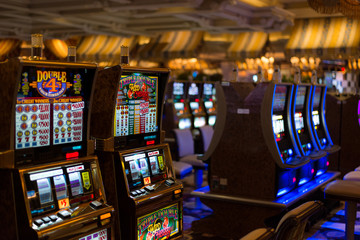
Enhancing Your Gambling Experience with Knowledge
Understanding the landscape of casinos is crucial for anyone looking to engage in gambling, whether casually or more seriously. Comprehensive resources are available for individuals seeking to enhance their skills and knowledge. From learning the intricacies of poker to mastering strategies for blackjack and online slots, informed players can significantly improve their experiences.
By prioritizing responsible gambling practices, players can enjoy the thrill of the game while making informed decisions. Engaging with educational content ensures that each visit to a casino is enjoyable and safe, fostering a culture of awareness and respect for both the games and the social environments in which they take place.