
Myths and facts about casinos What you need to know
Understanding Casino Myths
Casinos have been shrouded in mystery, often leading to the proliferation of myths. One common misconception is that casinos always have an advantage over players. While it’s true that most games are designed with a house edge, this does not guarantee that every player will lose money. Many players enjoy significant wins through strategy and luck, showcasing that skill can play an important role in the gaming experience.
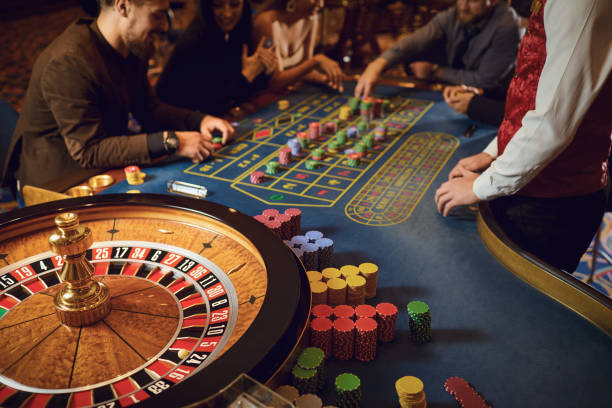
Another prevalent myth is that slot machines are rigged against players. In reality, these machines operate on random number generators (RNG), ensuring fairness and unpredictability. This means that while losses can occur, so can substantial wins. Understanding the mechanics behind these games can help demystify the gaming experience and encourage responsible play. Grand Buffalo
Some believe that specific times of day are better for winning at casinos. This notion stems from the idea that slots might pay out more during peak hours. However, results from RNG do not correlate with the time of day. Winning is based purely on chance, and believing otherwise can lead players to make poor decisions based on unfounded assumptions.
The Reality of Casino Odds
When it comes to understanding the reality of casino odds, it’s important to note that each game has its unique probability metrics. For instance, table games like blackjack and poker can offer better odds for skilled players, compared to games of pure chance like roulette or slots. This means that educated decisions in games requiring strategy can increase a player’s chances of winning significantly.
Moreover, the concept of “hot” and “cold” streaks often misleads players. Some may believe that after a series of losses, a win is imminent, or conversely, that a machine on a winning streak is due for a loss. In truth, past outcomes do not affect future results in games governed by RNG. This knowledge can help players approach their experience with a more rational mindset.
Understanding the odds can also empower players to make informed choices regarding their budget. Knowing the house edge for various games can assist in managing expectations and setting realistic goals. It is vital to remember that gambling should be viewed primarily as entertainment, rather than a guaranteed source of income.
The Role of Strategy in Gambling
Another common myth is that gambling is purely luck-based. While chance undoubtedly plays a significant role, strategy can greatly influence outcomes in many games. For instance, experienced players in poker utilize a mix of mathematical calculations, psychological insights, and reading opponents to increase their odds of winning. This shows that skill can effectively change the dynamics of gameplay.
In blackjack, understanding the fundamentals of card counting can provide players with an advantage. While casinos have implemented measures to counteract this technique, knowledge of optimal play can help maximize winning potential. Employing strategies that suit the game can enhance not only the chances of winning but also the overall enjoyment of the experience.
Moreover, the importance of self-discipline cannot be overstated. Players who establish limits and adhere to a budget are more likely to enjoy their time at the casino. Strategic play, combined with responsible gambling practices, can transform the experience from one of frustration and loss to a more gratifying and fulfilling endeavor.
The Social and Economic Impact of Casinos
Casinos often serve as significant contributors to local economies, generating jobs and attracting tourism. This can result in increased revenue for local businesses, ranging from restaurants to entertainment venues. Many communities benefit from the economic boost provided by casinos, making them an integral part of regional development strategies.
However, the social impact of casinos cannot be overlooked. While many enjoy gambling responsibly, others may face challenges related to addiction and financial instability. This duality highlights the importance of responsible gaming initiatives, aimed at educating players and providing resources for those in need. Community outreach and support programs play a vital role in ensuring the well-being of individuals who may struggle with gambling-related issues.
Furthermore, the balance between the economic benefits and potential social drawbacks must be managed effectively by both casino operators and regulators. By implementing responsible gaming practices and community support, casinos can contribute positively to society while fostering a safe and enjoyable environment for all patrons.

Exploring the Online Casino Landscape
The rise of online casinos has transformed the gambling landscape, providing players with convenient access to games from anywhere. This shift has led to the growth of numerous platforms offering everything from classic table games to innovative slot machines. However, this accessibility also brings challenges, such as the necessity for heightened security measures and responsible gaming practices.
Online casinos often employ advanced technologies to ensure fairness and player safety. Secure payment methods and data encryption protect users, fostering a trustworthy environment. Moreover, many online casinos offer features that encourage responsible gaming, such as deposit limits and self-exclusion options, highlighting their commitment to player welfare.
As the online casino industry continues to evolve, staying informed about changes and trends is essential. Players should seek out reputable platforms that prioritize transparency and adhere to regulatory standards. By understanding the online gambling landscape, players can enjoy a secure and engaging gaming experience tailored to their preferences.