
The Intriguing World of UK Horse Racing: A Closer Look at What’s Not Happening
Horse racing has long been a symbol of tradition and excitement in the United Kingdom. However, as we dive into the current state of affairs, we find instances where the thrill of the races is momentarily absent. In this exploration, we will look at the reasons behind certain horse racing events being on pause and the impact this has on the industry and fans alike. We’ll also touch upon UK horse racing not on GamStop non GamStop horse racing as part of the broader conversation surrounding the accessibility and continuity of racing events.
The Current Landscape of UK Horse Racing
UK horse racing holds a significant place in British culture, drawing crowds to major events like the Grand National, Royal Ascot, and Cheltenham Festival. These races are not only important sports events but also major social gatherings. However, as with many sectors, the horse racing industry has experienced disruptions that have led to certain events being canceled or postponed.
Impacts of the COVID-19 Pandemic
The most notable impact on horse racing in the UK has stemmed from the COVID-19 pandemic. In 2020, racing came to a complete standstill during the height of the health crisis. Many scheduled events were canceled or rescheduled, leaving fans and participants alike yearning for the thrill of live racing. While efforts have been made to resume racing under strict guidelines, some races have still faced cancellations due to ongoing public health concerns.
Seasonal Variations and Weather Conditions
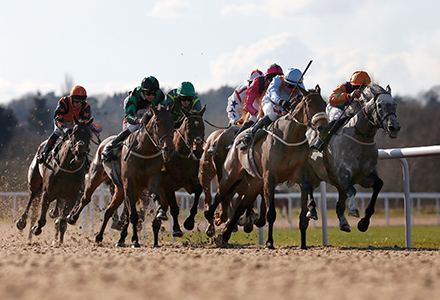
Seasonal variations and adverse weather conditions are another reason why certain races may not take place. The British weather can be unpredictable, and heavy rain or snow can render tracks unsafe for racing. Track managers must prioritize the safety of both horses and jockeys, leading to event cancellations when conditions are not ideal.
Industry Regulations and Financial Constraints
Regulatory issues and financial constraints also play a significant role in determining which races go ahead. The UK horse racing industry is governed by a complex framework that involves various stakeholders, including government bodies, racing organizations, and sponsors. Economic challenges, such as reduced sponsorship and funding during tough times, can lead to the cancellation of less popular events.
User Preferences and Changing Trends
Another aspect influencing the cancellation of races is the changing preference of audiences. Audiences today have a variety of entertainment options available to them, including digital platforms. As more fans lean towards online simulations and betting platforms, traditional horse racing events may struggle to maintain their allure, resulting in fewer races being organized to meet current demand. The emergence of non GamStop horse racing betting options showcases evolving consumer behavior in this landscape.
The Role of Technology in Horse Racing
As technology evolves, so does the landscape of horse racing. Virtual and augmented reality options are gaining popularity, providing fans a different kind of engagement with the sport. While these technological advancements provide alternatives for entertainment, they also present challenges for traditional racing venues that must adapt to maintain relevance.
Future of UK Horse Racing
Looking ahead, the future of UK horse racing will likely require a combination of innovation and tradition. While some beloved events may not happen due to various challenges, reshaping the industry to embrace new trends is crucial. Establishments must focus on sustainability, accessibility, and fan engagement to keep the sport relevant and thriving.
Conclusion
In conclusion, while horse racing in the UK faces challenges that have led to certain events being canceled or postponed, the passion for the sport remains strong. With ongoing efforts to adapt to changing circumstances, including integrating new technologies, the hope is that the racing community will rise to the occasion and continue to provide thrilling experiences for fans, both in-person and online. As we look forward to the revitalization of our beloved races, the journey of understanding the various factors influencing this dynamic sector will continue to unfold.